
Palworld Passive Skill Inheritance: Odds, Stacking, and How to Breed Them
Quick answer
The game builds a pool from both parents' passives and gives the child a random number of them, with a chance to roll a new passive from outside the pool. Duplicates between parents do not stack, they just become more likely to appear.
Everyone breeds for passives. Almost nobody can explain how they pass down without hand-waving. Here is the version you can actually plan around.
Passive inheritance is the single most misunderstood breeding mechanic in Palworld, mostly because players confuse it with IVs. They are separate systems that happen in the same egg. IVs are the hidden Health, Attack, and Defence rolls. Passives are the named skills on the Pal's card. This guide is only about the second one.
IVs are a different system entirely. Do not mix the two plans.
IVs and LotusesHow inheritance actually works
When two Pals breed, the game builds a pool from both parents' passive skills, then hands the child a random number of them from that pool. It also has a chance to roll a brand new passive that neither parent had. That is the whole mechanic, and every practical rule below falls out of it.
- The pool is combined, not per-parent. A passive on either parent can land on the child.
- The child gets a random count, not a guaranteed count. Two four-passive parents can produce a one-passive child.
- Duplicates collapse. If both parents have the same passive, it does not double up, it just becomes more likely to appear.
- A child can roll a passive from outside the pool. This is how junk passives sneak into an otherwise clean line.
- Passives cap at four slots. A pool larger than four means you are gambling on which four you get.
The myth that costs people the most time
The common belief is that stacking eight passives across two parents gives you the best shot at four good ones. It does the opposite. A bigger pool dilutes every individual passive you actually want. The fastest lines are built with parents that carry only the passives you are targeting, so almost every roll is a hit.
Clean parents beat loaded parents
- Two parents carrying exactly the four passives you want will produce a perfect child far faster than two parents carrying eight passives between them.
- That means the real work is culling. Every hatch that adds a junk passive to your breeding stock makes the next generation worse.
- Keep a dedicated breeding pair separate from your combat team. Combat Pals accumulate whatever they were caught with.
Special Cake is the lever most players miss
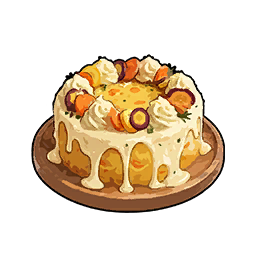
Cakes are not interchangeable. Special Cake specifically makes the child more likely to inherit multiple passive skills from its parents, which is exactly the variable you are fighting when you have clean parents and keep getting one-passive children. If you are breeding for passives and using plain Cake, you are leaving the single biggest boost on the table.

Special Cake
More multi-passive inheritance
Place it in the chest at a Breeding Farm to make Pals lay a particularly healthy egg. More likely inherit multiple passive skills from their parents.
Extravagant Vegetable Cake
Mutations plus talent growth
Place it in the chest at a Breeding Farm to make Pals lay a particularly healthy egg. Mutations are more likely to occur, and talents will grow more easily.

Vegetable Cake
Two eggs at once
Place it in the chest at a Breeding Farm to make Pals lay a particularly healthy egg. Lay eggs twice at once.

Mushroom Cake
Easier talent growth
Place it in the chest at a Breeding Farm to make Pals lay a particularly healthy egg. The talents of the resulting Pals will grow slightly more easily.

Cake
Baseline
A dish eaten during celebrations. Put it in the chest at a Breeding Farm to make Pals lay a particularly healthy egg.
- Special Cake: use this when your parents are clean and you want all four passives to carry.
- Vegetable Cake: use this when your parents are clean but your cake supply is strong, because two eggs per cycle doubles your rolls.
- Extravagant Vegetable Cake: use this when you are chasing a mutation or IV growth, not passives.
- Plain Cake: use this while you are still building stock and do not care what hatches.
Every cake recipe and the ingredient line that sustains it.
Cake guidePractical targeting: one perfect passive first
Rainbow hunting all four passives from scratch is where breeding projects die. Build up instead. Lock one passive, then two, then three. Each generation you keep the best child and cull everything else, so your pool only ever shrinks toward what you want.
- Step one: catch or breed two Pals that share exactly one target passive and nothing else. Breed until a child has it.
- Step two: pair that child with a Pal carrying your second target passive and nothing junk. Breed until a child has both.
- Step three: repeat for the third and fourth. Never introduce a parent carrying a passive you do not want.
- Step four: once you have a four-passive Pal, breed it against itself's species line to mass produce copies for condensing.
Plan the species path before you plan the passives.
Breeding calculatorLook up what each passive actually does before you chase it.
Skills databaseShortcuts that skip a generation
- Yakumo's partner skill raises the chance of encountering wild Pals with the same passive as Yakumo. Put your target passive on Yakumo and the wild pool starts working for you.
- Past Party boosts speed up the grind when you already have a working pair, so use them on the generation that matters rather than the early junk rolls.
- Condensing does not change passives. Finish the passive project first, then condense the finished Pal.
The Yakumo trick for farming wild passives on purpose.
Yakumo passive trickSpeed boosts for a breeding pair that already works.
Past Party boostsWhere the exact percentages sit
Pocketpair has never published the inheritance table, and the community numbers that float around were measured in Early Access before several breeding passes. Rather than quote a percentage that may already be wrong, use the rules of thumb above. They hold regardless of the exact roll weights, because they are about shrinking the pool rather than beating the dice.
Common questions
Short answers for searches that should land here, with links to the item, map pin, or related guide when you need more detail.
- How do passive skills pass down when breeding in Palworld?
- The game builds a pool from both parents' passives and gives the child a random number of them, with a chance to roll a new passive from outside the pool. Duplicates between parents do not stack, they just become more likely to appear.
- Is it better to have parents with more passives in Palworld?
- No. A bigger combined pool dilutes each passive you actually want. Two parents carrying only your four target passives will produce a perfect child much faster than two parents carrying eight passives between them.
- Which cake is best for breeding passives in Palworld?
- Special Cake. It specifically raises the chance of inheriting multiple passive skills from the parents, which is the exact problem you hit once your parents are clean. Vegetable Cake is the alternative if you would rather double your egg count. Cake guide
- Do IVs and passives inherit the same way in Palworld?
- No, they are separate systems that happen in the same egg. Passives are the named skills on the Pal card and come from the parent pool. IVs are the hidden Health, Attack, and Defence rolls and follow their own inheritance. IVs and Lotuses
- Does condensing change a Pal's passive skills in Palworld?
- No. Condensing raises stats and work suitability but leaves passives untouched. Finish the passive breeding project first, then spend duplicates or Starfruit on condensing the finished Pal. Condenser stars
More in Breeding, Inheritance & Mutations