
Best Palworld Base Locations 1.0: Ore, Oil, Coal, and Plateau Picks
Quick answer
There is no one best plot for every playstyle. Verdant Stream is a strong balanced all-rounder for Ore, Coal, and Quartz, while Duneshelter wins for oil-focused bases and Feybreak wins once Chromite and Hexolite matter.
A pretty plateau is not a good base if the nearest ore is a four-minute glide. Start from resource density, then comfort.
Score a base by what you walk to every session: Ore, Coal, Sulfur, Pure Quartz, Crude Oil, flat build space, and raid pathing. Use Fast Travel names below as anchors, then place the Palbox on the flattest shelf inside the resource cluster. We are not inventing coordinates; pin the map filters yourself.
How to score a spot
- Ore + Coal: furnace uptime for Ingots and Refined Ingots.
- Sulfur: gunpowder and explosive crafts near volcano biomes.
- Pure Quartz: Pal Metal and circuit crafts.
- Crude Oil: Plasteel and Wing Cell economy once extractors unlock.
- Chromite / Hexolite later: Feybreak density when you outgrow the desert.
- Defense: one choke beats four open cliffs when raids are on.

Ore
Ore · Coal · Sulfur
Becomes an ingot when refined using a furnace. Can be found in caves and other places.

Pure Quartz
Quartz nodes
Pure Quartz often found in snowy fields and similar places. Required to create Circuit Board.
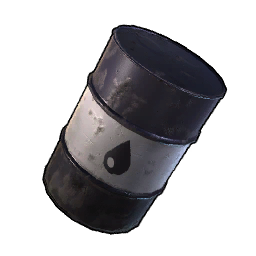
Crude Oil
Oil · Oil Rigs
Material that can be processed into various products. Obtained by installing a Crude Oil Extractor on an oil field.

Chromite
Feybreak ores
A type of metal buried underground. It can be detected with a Metal Detector on certain islands.
Early-game safe picks
- Small Settlement and Bridge of the Twin Knights: low threat, enough early Ore to learn building without desert heat or volcano ash.
- Marsh Island hubs: soft terrain and nearby early loops. Move once Coal and Sulfur demand outgrow the starter islands.
- Prioritize flat ground and water access over max node count until you unlock better walls.
Mid-game ore, coal, and sulfur hubs
- Mount Obsidian - Midpoint and Mount Obsidian - Anubis Statue: dense Sulfur with Ore support. Hot biome, strong for ammo crafts.
- Foot of the Volcano and Heatwave Gate: similar volcano package with slightly different shelf shapes.
- Verdant Stream: balanced Ore, Coal, some Sulfur, Pure Quartz, and Paldium in one neighborhood. Strong all-rounder plateau.
- Frostbound Mountains Summit / Snowy Mountain Crossroads: heavy Ore plus Paldium when you can handle the cold.
Furnace products and named ore types in one place.
Types of oreOil field bases
- Duneshelter: top Crude Oil neighborhood with huge Coal and solid Ore. Desert heat management required.
- Frozen Dune Cape, Deep Sand Dunes, Seaward Passage: oil-forward desert shelves if Duneshelter is contested on multiplayer.
- Place Crude Oil Extractor / High-pressure Crude Oil Extractor on field markers, not on random sand.
Extractor unlocks, Plasteel, and Oil Rig burst loot.
Crude Oil grindLate Feybreak, Sunreach, World Tree
- Feybreak Chromite and Hexolite clusters (Stone Pillar Cave Entrance, Scarlet Outlook, Hidden Passage to the Oculus Gate) win once Hexolite crafts matter. Expect harder raids and colder or harsher weather.
- Scorched Ashland mixes oil with Chromite and Hexolite for a late hybrid base.
- World Tree adjacency (The Verdant Rootpath, Alluvion Lakefront on the tree map) is for Holy Water, Paloxite, and Mythical Wood loops. Build a satellite box there; keep the main factory where ore and oil already flow.
- Sunreach is story and tower progression space. Useful staging, rarely the best permanent ore base.
Raid defense changes how aggressive your plateau can be.
Base raids explainedCompare shelves in the planner before you move the Palbox.
Base plannerMulti-base strategy
You do not have to pick one perfect plot and live with its weaknesses forever. Most experienced players run a main factory near their best ore and coal cluster, then add small satellite bases at Duneshelter for oil, near the World Tree for Holy Water and Mythical Wood, and later at Feybreak for Chromite and Hexolite. Each satellite only needs the structures that specific resource loop requires, not a full copy of your main base.
Signs a plot will disappoint you later
- Resource nodes that look dense on arrival but thin out fast once you start pulling from them daily. Walk the full radius before committing, not just the spot right next to the Palbox marker.
- No natural chokepoint anywhere nearby. If raids are turned on, an open plateau with access from every direction will always cost you more wall material than a plot with one or two natural funnels.
- Long Fast Travel gaps to the resources you actually need. A gorgeous view does not matter if every supply run eats five minutes each way.
- Weather or biome hazards (extreme heat, cold, or ash) that demand gear you have not unlocked yet. Early bases should prioritize comfort over density.
Relocating without losing progress
- Scout the new plot fully before you tear down anything at the old base. A half-built replacement is worse than a mediocre base that still works.
- Move production buildings first, decorations last. You can rebuild the pretty stuff anytime, but a stalled furnace or breeding farm costs you real time.
- Keep the old base as a satellite if it still covers a resource the new one does not, instead of abandoning it outright.
Common questions
Short answers for searches that should land here, with links to the item, map pin, or related guide when you need more detail.
- What is the single best base location in Palworld 1.0?
- There is no one best plot for every playstyle. Verdant Stream is a strong balanced all-rounder for Ore, Coal, and Quartz, while Duneshelter wins for oil-focused bases and Feybreak wins once Chromite and Hexolite matter. Types of ore
- Should I build one big base or several smaller ones?
- Most players do best with one main factory near their densest ore and coal cluster, plus small satellite bases near oil fields and the World Tree for the resources that only exist in those regions.
- How much does raid defense affect base location choice?
- A lot, if raids are turned on. A plot with a natural chokepoint needs far less wall material to defend than an open plateau, so factor defense into the score alongside resource density. Base raids explained
More in Base Efficiency & Worker Math