
Treasure Maps & Field Chests in Palworld
Quick answer
Treasure maps mark dig sites. Dig, loot the chest tier, and check loot tables before you burn a stack of maps on low-value loops.
Treasure maps turn exploration into a scavenger hunt: read the clue, dig the spot and know which chests are worth the detour.
Treasure maps drop from exploration and enemy loot in five rarities (Common through Legendary). Each map points you toward a dig site whose buried chest uses that map's loot table. Field chests and sealed-realm / dungeon chests are related habits with different pools; check the source before grinding a spot. Think of maps as a passive by-product of everything else you already do: clearing bases, opening crates, and beating human enemies naturally fills your inventory with a stack of them, so you rarely need to farm for maps specifically.
Reading the clue
Every map shows a rough sketch of the surrounding terrain, usually a coastline, a cliff edge, a ruin, or a distinctive rock formation, rather than a marked pin. That is the entire point: you are matching the shape of the drawing to the shape of the actual landmass, not following a waypoint. New players often assume the map is broken because there is no marker; it is working as intended, it just wants you to read the picture.
- Compare the sketch's silhouette to real coastline and cliff shapes on the world map before you commit to a direction. Distinctive bays, peninsulas and lone rock spires are the easiest tells.
- Once you are near the right terrain, look for a faint patch of disturbed or discolored ground. The dig prompt only appears within a small radius of the exact spot.
- If nothing prompts after a full sweep of the area, you are probably one region over. Maps rarely point across a full biome boundary, so widen your search along the same coastline first.
- Higher-rarity maps tend to point to more remote or dangerous terrain, so do not be surprised when an Epic or Legendary map sends you into a hostile base's backyard.
Using a treasure map
- Open the map item and note the landmark sketch or region hint.
- Travel to matching terrain and look for disturbed ground or the dig prompt.
- Bring a mount; many dig sites are far from towers.
- Clear nearby enemies before digging so combat does not cancel the interaction.
- Carry a shovel-equivalent tool or just interact directly; most dig prompts only need the interact key, not a specific tool.
- Note the fast-travel tower closest to the dig site before you dig, since the buried chest sometimes has a follow-up prompt or nearby resource worth a second trip.
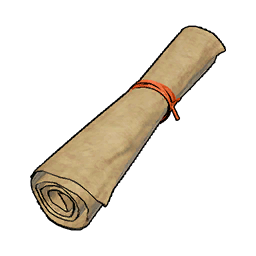
Treasure Map (Common)
Key Items
A weathered map showing where common buried treasure lies. Using it places a marker on your map. Dig the site to open a chest with early schematics, potions, Lotuses, and work handbooks.
Treasure Map (Uncommon)
Key Items
A map to uncommon buried treasure. Using it places a marker on your map. Dig the site for mid-tier schematics, potions, Lotuses, and work handbooks.
Treasure Map (Rare)
Key Items
A map to rare buried treasure. Using it places a marker on your map. Dig the site for refined schematics, high potions, Lotuses, and work handbooks.
Treasure Map (Epic)
Key Items
A map to epic buried treasure. Using it places a marker on your map. Dig the site for late-game schematics, extreme potions, Lotuses, and work handbooks.
Treasure Map (Legendary)
Key Items
A map to legendary buried treasure. Using it places a marker on your map. Dig the site for endgame schematics, Pal revival, Lotuses, and work handbooks.
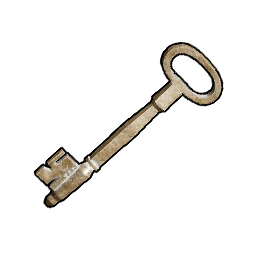
Copper Key
Consumables
A key that can be used to open locked treasure chests.

Silver Key
Consumables
A key that can be used to open locked treasure chests.

Gold Key
Consumables
A key that can be used to open locked treasure chests.


Which maps are worth chasing
Common and Uncommon maps mostly pay out basic ore, wood, and low-tier spheres, which stop mattering once your base production is running. Do not go out of your way to farm these once you are past the first couple of tech tiers; open them when you find them and move on. Rare maps start mixing in ammunition, mid-tier schematics and a better sphere spread, which makes them worth a short detour if the dig site is close to your travel route.
Epic and Legendary maps are the ones worth planning a trip around. Their tables lean toward higher-tier schematics, rarer ammo types and occasional gear you would otherwise have to craft or farm off a boss. Because these maps often route you toward dangerous terrain, pair the trip with your travel plans anyway, dig the site, clear whatever guards the terrain, and check the Items page to confirm the specific schematic you want is actually in that rarity's pool before making a special trip.
- Stack maps by rarity in your inventory instead of digging the moment you get one; batching a run of five Epic-or-better maps in one loop is far more efficient than one-off detours.
- Sell or discard a backlog of Common maps once your base no longer needs basic mats. They take inventory space and rarely justify a dedicated trip late game.
- Legendary maps are rare enough that it is fine to travel across regions for one. Treat the trip like a mini-expedition: bring a mount, healing and a capture-ready party in case the dig site sits inside a hostile camp.
Field vs dungeon chests
Open-world chests refill on their own schedules and lean toward regional mats. Sealed realms and dungeons gate better chests behind combat. Do not expect every field chest to drop endgame schematics.
Field chests are the ones you stumble on walking between towers: crates on cliffs, boxes near ruins, barrels along the coast. They respawn over time and are meant to reward exploration with a trickle of useful mats, not to be a farming target on their own. Dungeon and Sealed Realm chests are a different system entirely. They sit behind combat encounters, some need Copper, Silver or Gold Keys to open, and their tables skew toward schematics, high-tier spheres and Alpha-adjacent loot. If you are hunting a specific rare item, a keyed dungeon chest is almost always the better use of your time than grinding field chests on a loop.

Dungeon and Sealed Realm chests use keyed loot tables. See how they differ from field and treasure-map chests.
Dungeons & Sealed Realms guideCheck the interactive map for known dig sites and chest clusters near your base.
Open the World MapSee exactly which enemies and chests drop an item before you farm it.
Browse item drop sourcesCommon questions
Short answers for searches that should land here, with links to the item, map pin, or related guide when you need more detail.
- How do treasure maps work in Palworld?
- Treasure maps mark dig sites. Dig, loot the chest tier, and check loot tables before you burn a stack of maps on low-value loops. Treasure maps guide
- What does the Treasure Maps & Field Chests in Palworld cover?
- How treasure maps work in Palworld, how to find dig sites, what field and dungeon chests drop and how to use loot tables before you farm. Jump to guide
- Quick answer: Treasure Maps & Field Chests in Palworld?
- Treasure maps turn exploration into a scavenger hunt: read the clue, dig the spot and know which chests are worth the detour.
More in Advanced Progression & Gathering